
Why Traditional Enterprise Workflows Fail
Modern enterprises cannot scale operations using spreadsheets, email approvals, disconnected systems, and manual coordination. Traditional workflows create delays, inefficiencies, compliance risks, and operational bottlenecks that impact business growth and enterprise productivity.

Legacy Enterprise
Why Legacy Enterprise Workflows Create Operational Bottlenecks
Many enterprises continue to operate using outdated workflow processes driven by spreadsheets, emails, manual approvals, disconnected systems, and fragmented operational coordination.
As businesses scale, these traditional workflows become increasingly difficult to manage.
Traditional workflows were never designed for modern enterprise complexity.
Today’s enterprises require workflow automation platforms capable of orchestrating approvals, systems, analytics, integrations, customer interactions, and operational processes through intelligent workflow automation. Operational teams struggle with:
Operational teams struggle with:
Delayed approvals
Missing visibility
Manual coordination
Disconnected systems
Audit challenges
Compliance risks
Operational inefficiencies
Inconsistent execution
Failure REASONS
Why Traditional Enterprise Workflows Fail
Email-Based Approvals
Approval decisions buried in email threads create delays, missed requests, and poor accountability.
Excel & Manual Tracking
Spreadsheets become difficult to maintain as operational complexity increases.
Siloed Systems & Disconnected Tools
ERP, CRM, HRMS, and operational systems often work independently without workflow coordination.
Delayed Approvals & SLA Misses
Manual workflows increase turnaround time and create operational bottlenecks.

tHE business impact
How Inefficient Workflows Impact Enterprise Operations
Inefficient workflows directly affect operational performance, employee productivity, customer experience, and enterprise scalability. As organizations scale, workflow inefficiencies multiply across departments and systems.
Common business impacts include:
Slower approvals
Delayed customer responses
Operational bottlenecks
Inconsistent execution
Reduced visibility
Increased compliance risks
Duplicated work
Higher operational costs
MODERN WORKFLOW
How Modern Workflow Automation Platforms Solve These Challenges
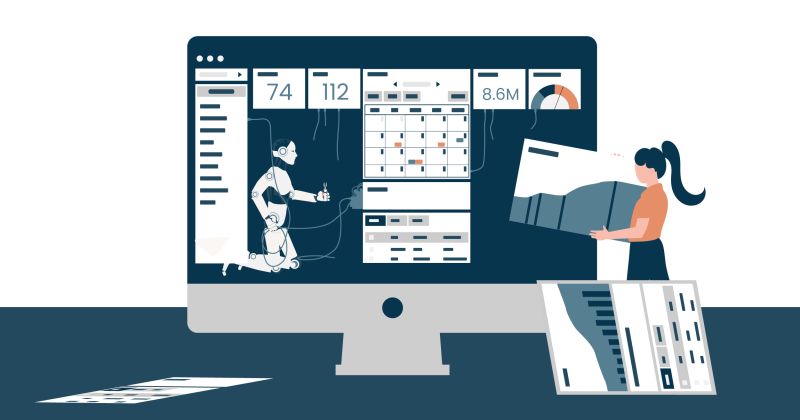
Modern workflow automation platforms replace fragmented manual operations with centralized workflow orchestration. Instead of relying on disconnected tools, businesses can coordinate enterprise operations through intelligent workflow automation systems.
Workflow automation platforms help enterprises:
Automate approvals
Orchestrate operational workflows
Connect enterprise systems
Improve visibility
Enable audit trails
Monitor SLAs
Reduce operational delays
Improve governance
Capabilities
Core Capabilities of Modern Workflow Automation Platforms
BPMN Workflow Orchestration
Visually design and execute enterprise workflows using BPMN 2.0 standards.
Enterprise Integrations
Connect ERP, CRM, APIs, databases, and enterprise applications.
Human Task Management
Manage approvals, escalations, reviews, and SLA-based workflows.
Workflow Analytics
Track operational bottlenecks, workflow execution, and business performance.
AI-Powered Automation
Improve workflow intelligence using AI-assisted routing and operational recommendations.
Governance & Compliance
Maintain audit visibility, operational accountability, and workflow governance.
Business Benefits of Workflow Automation
USE CASES
Enterprise Workflow Automation Use Cases
Invoice Approval Automation
Automate finance approvals and payment workflows.
Employee Onboarding
Coordinate HR workflows, approvals, and onboarding operations.
CRM Workflow Automation
Automate customer engagement and sales operations.
Procurement Workflow Automation
Manage vendor approvals and procurement coordination.
Compliance Workflow Automation
Track governance workflows, audits, and operational compliance.
Government Workflow Automation
Digitize approvals, citizen services, and operational processes.
GMART AUTOMATION
Why Businesses Choose GMart Automation
GMart Automation helps enterprises replace outdated operational workflows with modern workflow orchestration systems built on BPMN automation, enterprise integrations, AI-powered automation, analytics, workflow governance, and intelligent operational coordination. GMart Automation supports BPMN workflow orchestration, AI-assisted workflows, enterprise integrations, workflow analytics, governance controls, audit trails, and operational automation designed for scalable enterprise operations.
Automate approvals
Streamline operations
Connect ERP and CRM systems
Improve workflow visibility
Reduce operational delays
Scale enterprise automation initiatives
FAQ
Common questions answered clearly
Use this section to improve SEO, GEO, and buyer confidence by answering practical customer questions.
Why do traditional enterprise workflows fail?
Traditional workflows fail because they rely heavily on manual approvals, spreadsheets, disconnected systems, and fragmented operational coordination.
What problems do manual workflows create?
Manual workflows create delays, operational inefficiencies, compliance risks, poor visibility, and scalability challenges.
How does workflow automation improve enterprise operations?
Workflow automation improves visibility, automates approvals, orchestrates enterprise systems, and reduces operational bottlenecks.
Can workflow automation integrate with ERP and CRM systems?
Yes. Modern workflow automation platforms support integrations with ERP systems, CRM platforms, APIs, databases, and enterprise applications.
What industries benefit from workflow automation?
Manufacturing, healthcare, banking, pharma, government, logistics, education, telecom, retail, and financial services organizations benefit from workflow automation.
READY TO MODERNIZE ENTERPRISE WORKFLOWS?
Replace outdated workflows with intelligent enterprise automation
See how GMart Automation helps enterprises eliminate manual approvals, disconnected systems, operational bottlenecks, and workflow inefficiencies using BPMN workflow orchestration, enterprise integrations, AI-powered automation, and operational analytics.